

Ever hopped off the tram in Preston feeling like your neck’s been through a wrestling match? You’re not alone. As someone who’s spent years helping folks just like you at my clinic in Preston, Victoria, I’ve heard this story more times than I can count. Neck strain from commuting, especially on those bumpy tram rides through Reservoir or Thornbury, is a sneaky culprit behind daily discomfort.
But here’s the good news: with some smart physio tips, you can ease that tension and get back to enjoying your rides without the ache. In this post, we’ll dive into what causes neck strain during your Preston commutes, spot the symptoms early, share prevention strategies tailored for tram riders, suggest easy home exercises, and guide you on when it’s time to seek professional help at Specific Physiotherapy Preston.

Understanding Neck Strain from Daily Commuting
Picture this: you’re on the Route 86 tram, juggling your bag, phone, and maybe a coffee, as it jostles from Northcote to Preston. That constant vibration and awkward positioning? It’s a recipe for neck strain. In my practice, I’ve seen how these everyday commutes wear on the cervical spine, those seven little vertebrae that support your head like a tower of blocks.
Neck strain, or cervical strain, happens when muscles and ligaments in your neck get overstretched or irritated. For Preston tram riders, it’s often due to poor posture while standing or sitting, especially if you’re craning your neck to check stops or scroll on your device. Add in sudden stops or turns, and bam, your neck takes the hit.
What Causes Neck Strain on Trams?
From my chats with patients over coffee in the waiting room, a few culprits stand out:
- Poor Posture: Slouching or leaning forward to hold straps strains your neck muscles.
- Repetitive Motions: Constantly looking down at phones—hello, “text neck”—weakens spinal alignment.
- Vibrations and Jolts: Trams aren’t smooth rides; those bumps jar your neck over time.
- Carrying Heavy Loads: Backpacks or shopping from Preston Market add uneven pressure.
According to guidelines from the Australian Physiotherapy Association, maintaining good posture and muscle strengthening can prevent these issues. One patient from Reservoir told me how switching her bag side made a world of difference, small changes, big impact.
As shown in the image below, improper posture on public transport can lead to noticeable strain.

Recognizing the Symptoms of Neck Strain
So, how do you know if that twinge is just fatigue or something more? I’ve had clients walk into our Preston clinic thinking it’s “nothing,” only to realize it’s been building up. Neck strain symptoms can creep up, but catching them early is key to quick relief.
Common signs include:
- A dull ache or sharpness in the neck, sometimes radiating to shoulders or head.
- Stiffness that makes turning your head feel like a chore, think checking for your stop at Thornbury.
- Headaches, especially at the base of the skull, from tense muscles.
- Fatigue or weakness in the arms if nerves get involved.
In severe cases, you might notice tingling or numbness. If you’re a regular commuter from Northcote, these could worsen with each ride. Remember, everyone’s body is different; what feels minor for one might be debilitating for another. In my experience, ignoring these early warnings often leads to chronic issues, but addressing them promptly? It’s a game-changer.
Prevention Tips for Preston Tram Riders
Prevention beats cure every time, trust me, I’ve seen it in action. For those of you navigating Preston’s trams daily, a few tweaks can keep neck strain at bay. Let’s make your commute more comfortable, shall we?
Posture Hacks for the Ride
Start with awareness. Stand tall with shoulders relaxed, or if seated, keep your back against the seat. Avoid hunching over your phone; hold it at eye level instead. For longer rides to Reservoir, alternate standing and sitting if possible.
Here’s a quick checklist:
- Engage your core—think gentle tummy tuck—to support your spine.
- Roll your shoulders back every few minutes to release tension.
- Use a neck pillow or rolled scarf for support on bumpy sections.
- Choose seats facing forward to minimize twisting.
Many of our Preston clients find these tips transform their daily grind. And if you’re dealing with similar issues in other areas, check out our guide on managing knee pain for more posture advice.
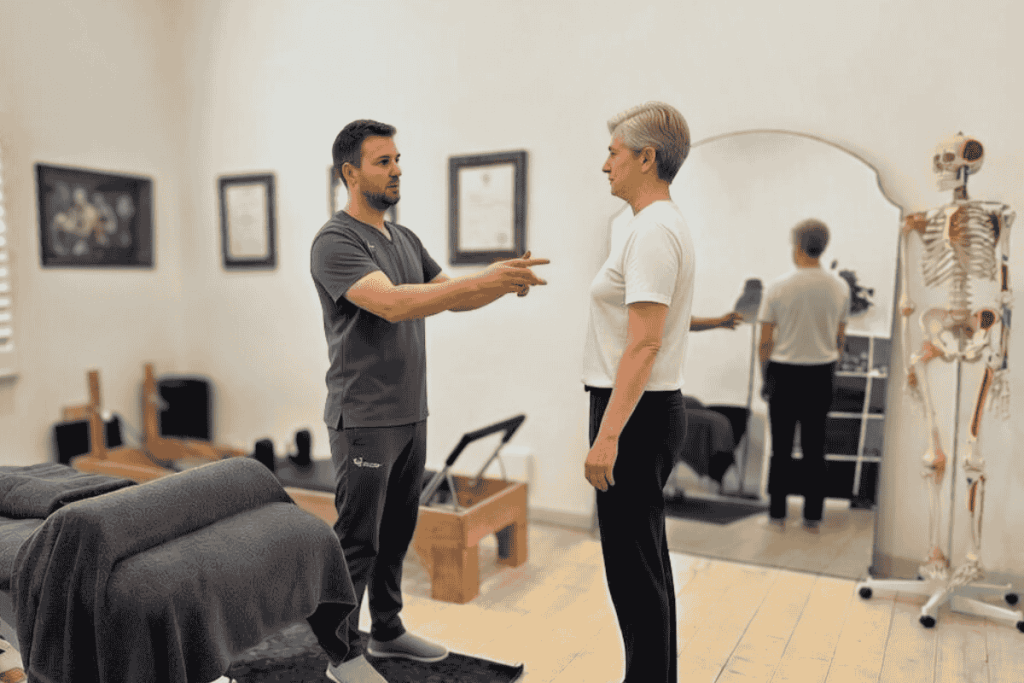
Visualize better posture with the demonstration in the image below.
Simple Home Exercises to Relieve Neck Strain
Once you’re home, don’t just flop on the couch—try these exercises I’ve recommended to countless patients. They’re based on evidence from physio best practices and can strengthen muscles while improving flexibility. Always start slow, and stop if it hurts.
Top 5 Exercises for Neck Relief
Do these 2-3 times a day for best results:
- Chin Tucks: Sit or stand straight, gently tuck your chin toward your chest. Hold for 5 seconds, repeat 10 times. Great for correcting forward head posture.
- Neck Rotations: Slowly turn your head side to side, aiming for 10 reps each way. Imagine scanning the tram for your stop without strain.
- Shoulder Shrugs: Lift shoulders to ears, hold, then release. This eases upper trap tension from holding straps.
- Side Bends: Tilt your ear toward your shoulder, hold for 20 seconds per side. Use a hand for gentle stretch.
- Levator Scapulae Stretch: Turn your head 45 degrees, tuck chin, and pull gently with the opposite hand. Hold 30 seconds.
One Thornbury local shared how these turned her post-commute evenings around—no more headaches! For more on muscle strengthening, explore our comprehensive physiotherapy services.
When to Seek Professional Help in Preston
Sometimes, home remedies aren’t enough. If pain persists beyond a week, worsens, or includes numbness, it’s time to chat with a pro. At our clinic near Preston Market, we’ve helped commuters from Northcote to Reservoir regain mobility without drugs or surgery.
Red flags include:
- Pain shooting down arms.
- Loss of strength or coordination.
- History of injury or underlying conditions.
In line with Australian Physiotherapy Association recommendations, early intervention prevents escalation. Don’t wait—book an appointment today for a tailored assessment.
How Specific Physiotherapy Preston Can Help
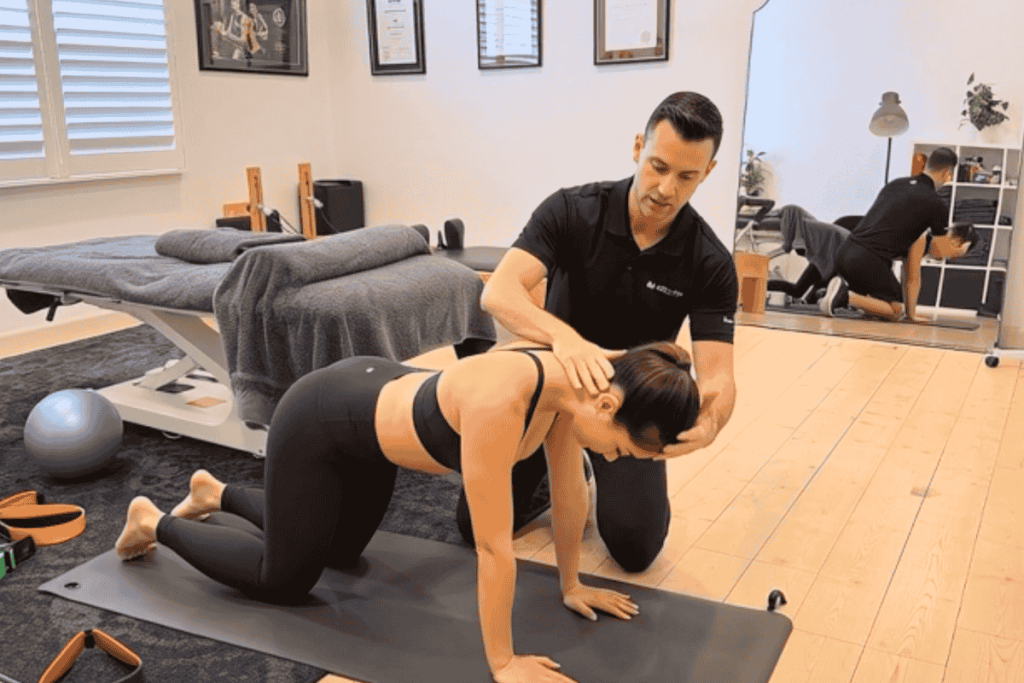
At Specific Physiotherapy, we’re more than a clinic—we’re your local partners in health. Conveniently located in Preston, our team uses hands-on techniques like massage, dry needling, and personalized plans to tackle neck strain head-on. Meet our team of experienced physios in Preston who’ve dedicated years to patient-centered care.
We’ve seen tram riders walk out feeling renewed after just a few sessions. Whether it’s spinal alignment adjustments or posture correction programs, we’re here for you. Visit our Preston clinic and let’s get you moving freely again.
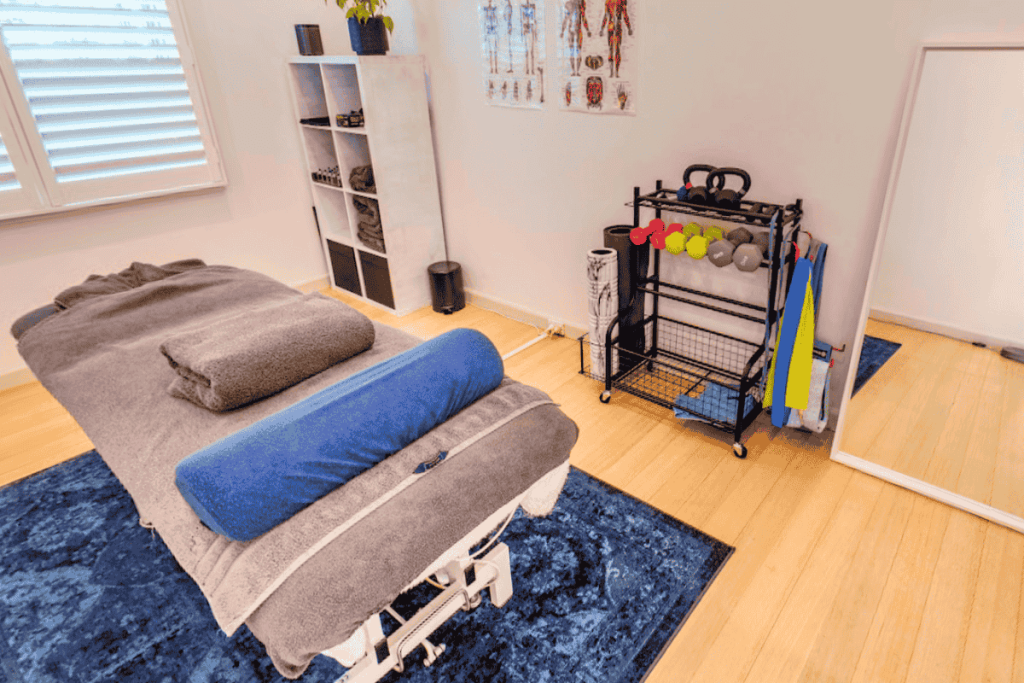
See a snapshot of our welcoming space in the image below.
Conclusion
To wrap it up, neck strain from commuting doesn’t have to derail your day. By understanding causes, spotting symptoms, adopting prevention tips, trying home exercises, and knowing when to seek help, you can keep that discomfort in check. At Specific Physiotherapy Preston, we’re committed to providing expert care that fits your lifestyle, because everyone deserves pain-free commutes.
Ready to ease your neck strain? Contact our Preston team for a personalised assessment and start feeling better today.
Call us on (03) 9579 5919 or visit us in person at 149 Plenty Road Preston VIC 3072.
What’s your biggest challenge with neck strain on trams? Share in the comments below, and don’t forget to like and share this post with fellow Preston riders!
Frequently Asked Questions
How long does neck strain from commuting usually last?
It varies, but mild cases resolve in a few days with rest and exercises. Persistent pain? See a physio in Preston for evaluation.
Can poor tram seating cause chronic neck issues?
Absolutely, repeated poor posture can lead to chronic strain. Focus on spinal alignment and consider professional advice.
Are there specific stretches for tram rides?
Yes, subtle ones like chin tucks work well without drawing attention. We’ve got more tips at our clinic.
Is neck strain more common in certain age groups?
It affects all ages, but commuters in their 30s-50s often report it due to work-related travel. Inclusivity in care is key for everyone.
How does physiotherapy differ from chiropractic for neck strain?
Physio emphasizes exercises and soft tissue work, while chiropractic focuses on adjustments. We tailor to your needs at Specific Physiotherapy Preston.
Discover physio tips for easing neck strain from commuting on Preston trams. Learn causes, prevention, exercises, and when to seek help at Specific Physiotherapy in Preston, VIC.
Can remedial massage help with neck strain from commuting?
Yes, remedial massage is highly effective for relieving neck strain from commuting. It releases tight muscles, reduces knots, and boosts blood flow in the neck and shoulders, perfect for Preston tram riders facing daily posture challenges. At Specific Physiotherapy Preston, we often include it in treatment plans for faster relief. Pair it with exercises for the best long-term results, and book in if your strain persists.
Hands-On Relief: Deep Tissue Massage for Upper Trap & Neck Strain
Even with great posture habits and daily stretches, the daily grind of Preston tram commuting—standing on crowded Route 86, scrolling on your phone, or dealing with vibrations through Thornbury and Northcote—can still build stubborn tension in the upper trapezius muscles. This often leads to that deep neck ache, headaches, or shoulder tightness many of our local clients describe.
When self-care helps but doesn’t fully resolve it, remedial massage provides targeted, fast relief by releasing trigger points and improving blood flow. Watch Tanna Ryan, our remedial massage therapist at Specific Physiotherapy Preston, demonstrate effective deep tissue techniques on the upper traps in this quick Short below.
In the video, Tanna shows:
- Firm, sustained pressure to release tight upper trapezius knots
- Deep strokes along the muscle fibres to reduce tension
- Gentle techniques to ease related neck and shoulder strain
Many Preston tram riders find this kind of upper trap release brings noticeable relief from commuting-related stiffness, especially when done regularly or combined with the chin tucks and levator scapulae stretches outlined earlier.
Why Upper Trap Massage Works for Tram-Related Neck Strain
The upper traps get overworked from forward head posture (“text neck”), uneven bag carrying, and the constant micro-adjustments needed on bumpy tram rides. Deep tissue work breaks up adhesions, reduces muscle guarding, and restores range—often faster than stretching alone. It’s a safe, drug-free option that pairs perfectly with physiotherapy for lasting results.
Ready for Personalised Neck Pain Relief in Preston?
If your neck strain persists despite these tips and self-massage, our Preston team can assess your posture, tram habits, and any underlying issues (like desk setup or carrying style). Treatments may include remedial massage, dry needling, manual therapy, or custom exercises.
We’re conveniently located at 149 Plenty Road, Preston VIC 3072—just steps from the Route 86 tram line. Book your appointment today: https://specificphysiotherapy.com.au/contact/ or call (03) 9579 5919.
Ride the tram pain-free and enjoy your commute through Reservoir, Thornbury, and beyond!

