
Picture this: It’s a beautiful Melbourne summer, you’ve been enjoying those long walks along the Merri Creek or perhaps hitting the paths around Preston Park. Then, come the cooler mornings of autumn, you step out of bed and—ouch!—that sharp, stabbing pain in your heel stops you in your tracks. Sound familiar? If you’re nodding along, you’re not alone. Many of our clients here at Specific Physiotherapy in Preston come in with exactly this story, especially after ramping up their activity over the warmer months.
Plantar fasciitis is one of the most common causes of heel pain we see in our Preston clinic, and it often flares up after increased walking, running, or standing during summer. The good news? With the right approach, most people find significant relief without needing anything drastic. In this post, we’ll dive into what causes plantar fasciitis, the tell-tale symptoms, effective treatment options (including some you can try at home), prevention tips, and when it’s time to get professional help from your local physio in Preston, Reservoir, Thornbury, or Northcote.
What Exactly Is Plantar Fasciitis?
The plantar fascia is a thick band of tissue running along the bottom of your foot, connecting your heel bone to your toes. It acts like a shock-absorbing bowstring, supporting your arch with every step. When it gets irritated or develops tiny tears from overuse, it leads to inflammation and pain—hello, plantar fasciitis (or more accurately these days, plantar fasciopathy, since it’s often more about degeneration than pure inflammation).
In my years treating folks in Preston, I’ve noticed it hits hardest after sudden increases in activity—like those post-lockdown walking challenges or holiday strolls around the neighborhood.
Common Causes and Risk Factors for Plantar Fasciitis
It’s rarely just one thing; usually a combination of factors piles up. Here are the big ones we see time and again:
- Overuse or sudden activity increase: Those lovely summer walks turning into daily 10km efforts without building up gradually.
- Tight calf muscles or Achilles tendon: Super common in desk workers who suddenly get active.
- Poor footwear: Flip-flops, worn-out runners, or going barefoot on hard surfaces around the house.
- Foot mechanics: Flat feet, high arches, or excessive pronation putting extra strain on the fascia.
- Other factors: Being overweight, standing for long hours (think retail or teaching jobs in the area), or even age-related changes in the heel pad.
One patient from Thornbury told me how switching from supportive sneakers to trendy sandals over summer triggered her pain—it’s a classic story!
Recognising the Symptoms of Plantar Fasciitis
The hallmark? Sharp heel pain first thing in the morning or after sitting for a while. It often eases a bit after you get moving, only to return after prolonged standing or walking. You might feel:
- Stabbing pain in the bottom of the heel, sometimes radiating along the arch
- Tenderness when pressing on the inside of the heel
- Stiffness in the foot after rest
- Pain that’s worse barefoot on hard floors (like your kitchen tiles!)
If this sounds like your experience, especially if it’s lingering after those summer adventures, don’t wait it out—early intervention makes a huge difference.
Effective Plantar Fasciitis Treatment Options
Thankfully, over 90% of cases improve with conservative care, with no surgery required. Here’s what works best, based on what I see daily in our Preston clinic.
Home Remedies and Self-Care
Start here, these are simple things can bring quick relief:
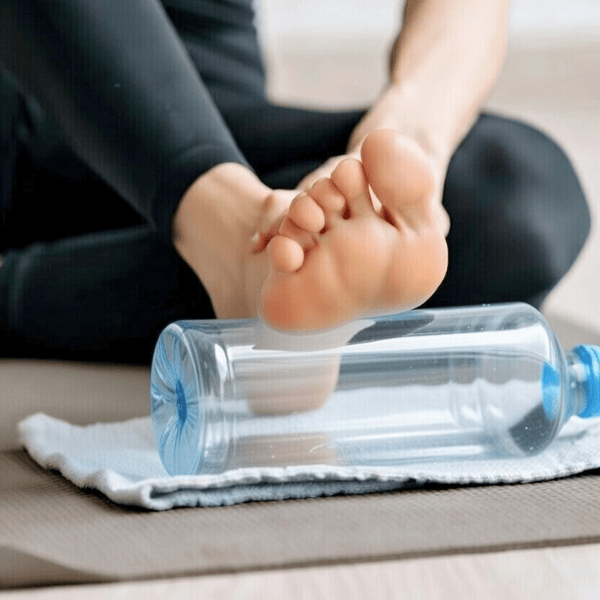
- Rest and ice: Cut back on aggravating activities temporarily. Roll your foot over a frozen water bottle for 10-15 minutes, it’s great for reducing inflammation and massaging the fascia at the same time.
Here’s a great way to do it at home:
- Stretching: Focus on the plantar fascia and calves. Try this seated plantar fascia stretch, pulling your toes back toward your shin until you feel it along the arch.
And don’t forget the classic calf stretch against the wall:
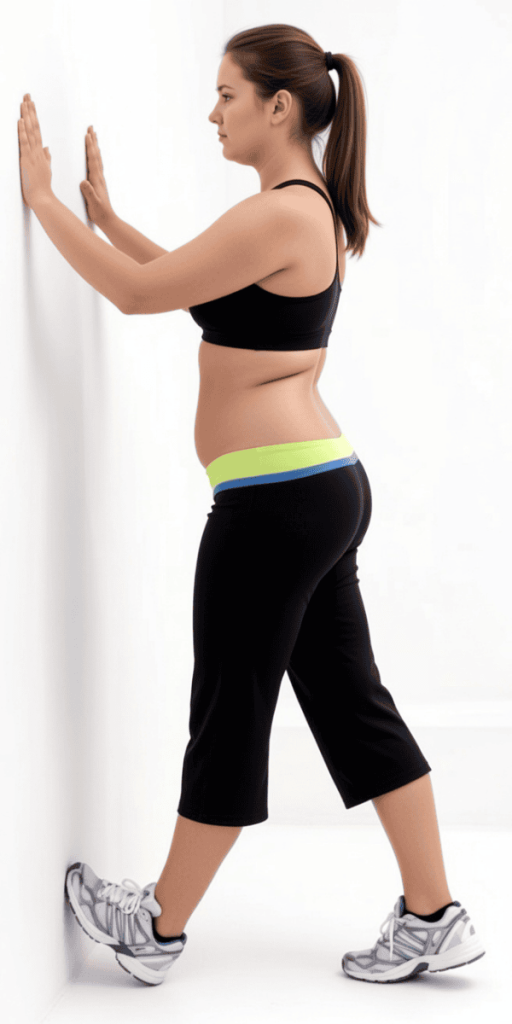
Do these gently, a few times daily. In my experience, consistency here is a game-changer, with one Northcote client said her morning stretches turned her day around completely.
Professional Physiotherapy Treatment
While home care helps, seeing a physio speeds things up. At Specific Physiotherapy Preston, we offer comprehensive physiotherapy services tailored to you, including:
- Manual therapy and soft tissue release
- Targeted strengthening exercises (high-load training works wonders for long-term relief)
- Gait analysis and advice on footwear or orthotics
- Taping for immediate support
We’ve helped countless locals from Reservoir and beyond get back on their feet pain-free.
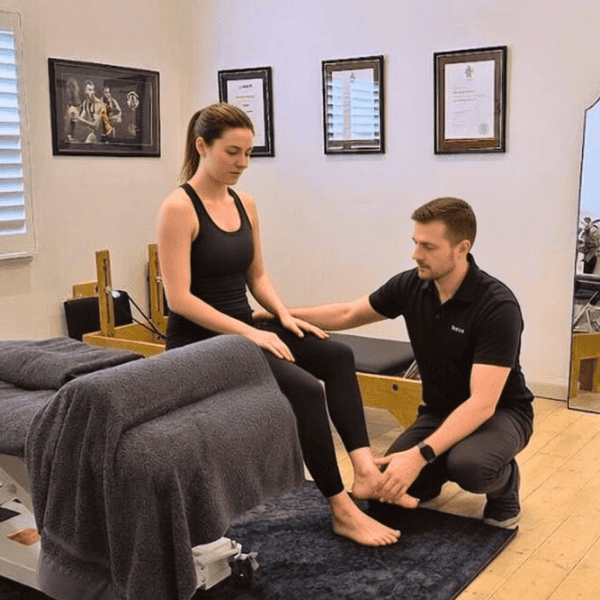
Check out this hands-on approach in action:
Prevention Tips: Keep Plantar Fasciitis Away for Good
Once you’re feeling better, let’s keep it that way:
- Wear supportive shoes with good cushioning and arch support—especially for those Preston Market walks!
- Gradually increase activity—don’t jump from zero to hero.
- Keep up with daily calf and foot stretches.
- Maintain a healthy weight to reduce load on your feet.
- Consider custom orthotics if biomechanics are an issue (we can refer you to trusted podiatrists).
When to Seek Professional Help in Preston
If pain lasts more than a few weeks, worsens, or stops you from daily activities, don’t tough it out. Come see us at our conveniently located Preston clinic near Preston Market. We’re here for residents across Preston, Reservoir, Thornbury, and Northcote. Early treatment prevents it becoming chronic.
Ready to ditch the heel pain? Book an appointment today for a personalised assessment. Or learn more about our Preston clinic and meet our team.
Frequently Asked Questions About Plantar Fasciitis
How long does plantar fasciitis take to heal?
Most improve significantly in 6-12 weeks with consistent treatment, though full recovery can take months. Early action helps!
Do I need orthotics for plantar fasciitis?
Not always, but they help many. We assess your feet and can guide you—sometimes simple off-the-shelf ones do the trick.
Is walking good or bad for plantar fasciitis?
Gentle walking is usually fine (and helpful), but avoid long distances on hard surfaces until pain settles.
What’s the difference between plantar fasciitis and a heel spur?
A spur is bony growth, but the pain comes from the fascia irritation. Treating the fascia resolves most cases.
Can remedial massage help alleviate plantar fascia pain?
Remedial massage can play a helpful role in reducing plantar fasciitis symptoms and is regularly incorporated into treatment at Specific Physiotherapy Preston.
Quick Relief for Plantar Fasciitis Heel Pain – Try This Deep Tissue Massage
Plantar fasciitis is one of the most common causes of heel pain, especially in active people or those who stand a lot. The stabbing pain in your heel (often worst first thing in the morning) comes from inflammation and tightness in the plantar fascia – the thick band of tissue running along the bottom of your foot.
While rest, ice, and proper footwear help long-term, targeted massage can provide fast, noticeable relief by loosening the fascia, improving blood flow, and breaking up adhesions.
Watch this short remedial massage demo below – it’s a deep tissue technique our skilled physiotherapists use regularly with clients in Preston to ease heel pain quickly.
In the video, you’ll see:
- Gentle heel compression to warm up the area
- Deep strokes along the arch and plantar fascia
- Focused pressure on trigger points in the heel and sole
Do this daily (or twice a day) for best results – combine it with calf stretches and rolling on a frozen bottle for even faster improvement.
Why Deep Tissue Massage Works for Plantar Fasciitis
Deep tissue techniques like those shown target the root causes: fascial restrictions and muscle imbalances in the foot and lower leg. Unlike light rubbing, this approach applies firm, sustained pressure to release tension and promote healing.
Many clients report reduced morning pain after just a few sessions of similar self-massage or professional treatment.
Step-by-Step Self-Massage Tips to Pair with the Video
- Warm-up the heel – Use both thumbs to apply circular compression around the base of the heel for 30–60 seconds.
- Arch strokes – Glide firmly from heel to ball of foot, following the plantar fascia line.
- Trigger point hold – Find tender spots under the heel/arch and hold steady pressure for 20–30 seconds while breathing deeply.
- Finish with stretch – Gently pull toes back toward your shin to lengthen the fascia.
(Pro tip: If pain is severe, start lighter and build up. Stop if it increases discomfort.)
If self-massage isn’t enough or your heel pain persists, professional remedial massage in Preston can provide deeper release and tailored advice. Book a session today to get back on your feet pain-free!
If you are suffering with plantar fasciitis contact us today to book your appointment with one of our skilled practitioners in Preston.
What’s your biggest challenge with foot pain after summer? Drop a comment below—we’d love to hear, and maybe share tips with others in the Preston area!
Thanks for reading, share this if you know someone dealing with heel pain. If you’re looking for heel pain treatment in Preston then Specific Physiotherapy is your answer. Your feet will thank you!

