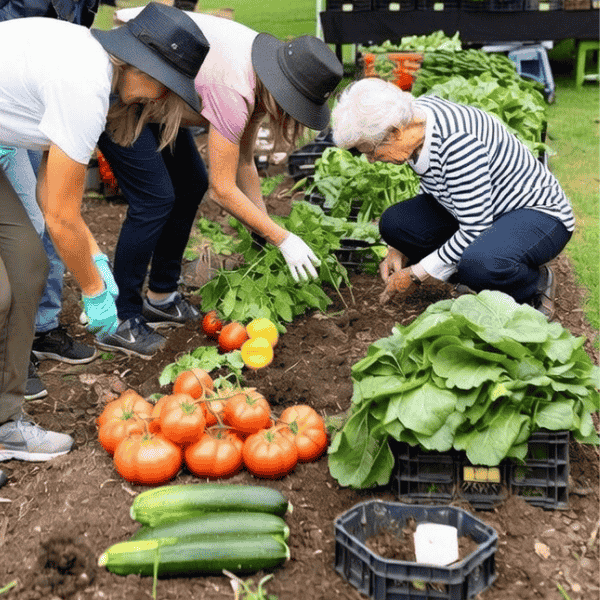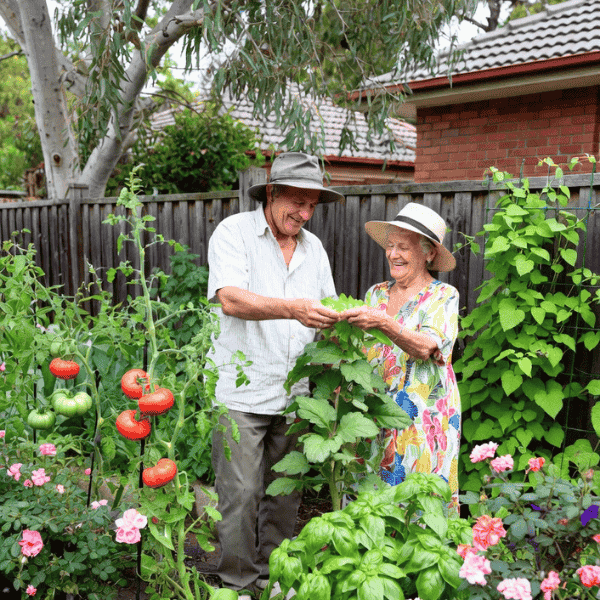
As a physio working right here in Preston at Specific Physiotherapy, I see it week in, week out: older locals – many in their 60s, 70s, and even 80s – coming in with that familiar stiff lower back, achy knees, or nagging shoulder after a solid morning in the backyard veggie patch.
These aren’t people who want to slow down. They’re the same folks whose Nonno or Papou arrived from Italy or Greece in the 70s and 80s, turning a bare suburban block into a mini food forest of tomatoes, eggplant, beans, chillies, basil, and whatever else thrives in Melbourne’s clay soil. That tradition is still strong – I chat with patients who proudly bring in a bag of their own zucchini or cherry tomatoes as a thank-you, or who tell me they can’t imagine not having fresh herbs for the Sunday sauce.
The problem is, the body doesn’t always keep pace. Repetitive bending to plant seedlings, kneeling on hard ground for hours weeding, twisting to pull out stubborn bindii, or reaching overhead to stake those tall tomato plants leads to the same patterns I treat over and over:
- Lower back pain – usually from prolonged forward bending or awkward lifts of compost bags and pots.
- Knee pain – often bursitis or flared arthritis from kneeling without enough padding or support.
- Shoulder issues – rotator cuff strains or general stiffness from repetitive overhead work like pruning or watering.
The good news? Most of these clients get back to the garden comfortably once we address the acute issue and put prevention in place. Here are the practical adjustments I recommend most often – the ones that help my patients keep their patch productive without paying for it in pain the next day.
Why I Always Talk Walking First
One of the biggest game-changers I see as a physio is building baseline strength and mobility through regular walking. It’s low-impact, free, and directly supports the legs, hips, core, and balance needed for gardening. Stronger quads and glutes take pressure off knees; better core stability protects the back; improved shoulder endurance reduces strain during reaching.
I tell patients: aim for 20–30 minutes most days, brisk but conversational. A perfect Preston opportunity? Walk to Preston Market instead of hopping on the tram or bus. For many in the area, it’s a 15–30 minute stroll to the market next to Preston Station. Pushing a loaded trolley home adds gentle resistance – it’s like built-in strength work for arms, shoulders, and legs. Patients who start this habit often report feeling more stable when squatting or lifting in the garden, and fewer flare-ups overall.

Warm Up Before You Dig In
I remind every patient: treat gardening like exercise. Spend 5–10 minutes loosening up first – a slow walk around the yard, shoulder rolls, arm swings, standing back arches (hands on hips, gentle lean back), and light marching or knee lifts holding the fence. This simple routine cuts down on the sudden strains I see when people jump straight into bending or reaching cold.
Protecting the Lower Back (The #1 Complaint in Clinic)
Lower back presentations top my list – too much sustained bending, twisting with a load, or poor lifting technique.
- Squat, don’t bend. Bend knees and hips, keep the load close, push through legs to stand. Pivot feet to turn – never twist at the waist.
- Avoid long bent-over sessions. Use a half-kneel (one knee down, other foot flat) or a sturdy garden kneeler/stool so you can sit or work semi-upright.
- Pace it. 20–30 minute bursts, then switch to standing tasks like watering or pruning.
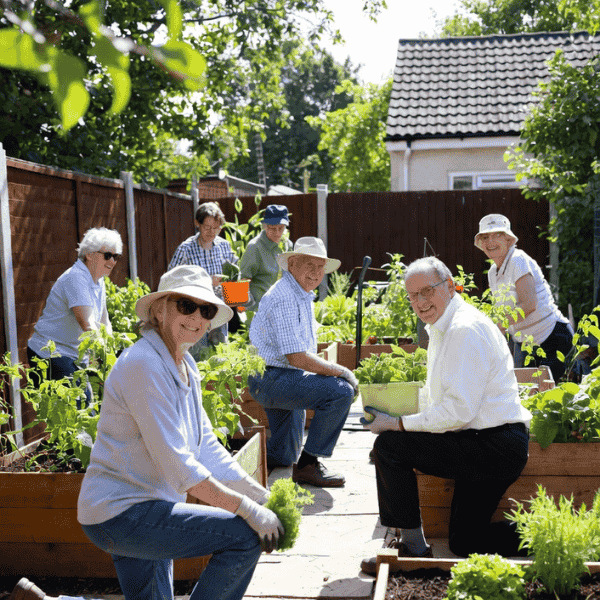
- Raised beds. Many of my patients swear by them – 60–90 cm high slashes bending and makes harvesting easier on the spine.
Saving Those Knees
Kneeling aggravates knee bursitis or arthritis fast – I see it after big weeding days.
- Pad properly. Thick foam pad or knee pads are non-negotiable; the flip-up kneelers that become seats are a patient favourite.
- Change position often. No more than 10–15 minutes kneeling – stand, stretch, or sit on a low stool.
- Strengthen support. Straight-leg raises or mini squats (holding the verandah rail) a few times a week build quads and glutes. Walking helps here too.
Easing Shoulder Strain
Overhead reaching for tomatoes or heavy watering cans irritates rotator cuffs – common in my older gardeners.
- Long-handled tools. Extendable pruners, hoes, weeders let you stay upright. Lightweight with good grips reduce hand/shoulder fatigue.
- Stay close. Position tools and pots within easy reach; lift at waist level.
- Pace overhead work. Short bursts, then shake out arms. Finish with a gentle cross-body stretch (20–30 seconds each side).
Quick Self-Care After Gardening
Warm shower to loosen up. Ice (wrapped, 15 min) for fresh inflammation; heat later for stiffness. Evening stretches like cat-cow or seated forward leans keep mobility going.
Most tweaks keep things comfortable, but if pain lingers > a few days, worsens with movement, or radiates down a leg/arm, book in – hands-on treatment plus tailored exercises get most back out quickly.
FAQ: Common Questions About Gardening Without Pain
Q: How do I know if my gardening pain is serious enough to see a physio?
A: If pain lingers more than a few days, gets worse with movement, or radiates down your leg or arm (e.g., sciatica-like symptoms or pins and needles), book in sooner rather than later. These can signal nerve involvement or a more stubborn issue. Most aches settle with rest and tweaks, but hands-on treatment plus tailored exercises get people back out quickly and safely.
Q: Is it okay to garden every day if I’m over 70?
A: Absolutely – gardening is great for mobility, mood, and staying independent – but pace yourself. I see the best results when patients limit heavy sessions to 20–30 minutes, warm up first, and mix in standing tasks. Walking to Preston Market regularly builds the baseline strength that makes daily gardening easier on your body.
Q: What’s the best way to lift heavy pots or bags of soil without hurting my back?
A: Always squat: bend at the knees and hips, keep the load close to your chest, and push up through your legs. Never bend at the waist or twist while holding weight – pivot your feet instead. Many of my patients find raised beds (60–90 cm high) cut down on lifting altogether by bringing the work to waist level.
Q: Should I use ice or heat after gardening?
A: Ice (wrapped in a tea towel for 15 minutes) for fresh soreness or swelling right after. Switch to heat later in the day or evening for ongoing stiffness and to relax muscles. Finish with gentle stretches like cat-cow to keep things moving – this combo prevents the next-day tightness I hear about so often.
Q: Are knee pads really worth it, or can I just kneel on the grass?
A: They’re worth it. Prolonged kneeling on hard ground irritates the bursae (leading to bursitis) or flares arthritis – I see this after big weeding sessions. Thick foam pads or flip-up kneelers that double as seats make a huge difference and are a patient favourite for comfort and prevention.
Q: How long should I wait after a flare-up before getting back into the garden?
A: Listen to your body – start with very light tasks (e.g., watering while standing) once acute pain settles (usually 2–5 days). Ease back gradually, use the warm-up routine, and avoid heavy bending/lifting until you’re pain-free. If in doubt, come in for a quick check so we can tailor a safe return plan.
Read more of our FAQ here.
Our local physios at Specific Physiotherapy Preston are here to help
Whether your lower back is still grumbling after a weekend in the patch, your knees feel stiff from kneeling too long, or your shoulders are tight from reaching up to stake those tomatoes, we see this every week. We know how important it is for you to keep that veggie garden going – it’s not just about the fresh produce, it’s about staying active, independent, and connected to the traditions many of our Preston patients grew up with.
Our Preston team start with a thorough assessment to understand exactly what’s happening (and what’s aggravating it), then put together a plan that fits your life: hands-on treatment to settle pain quickly, targeted exercises to build strength and mobility, and practical advice on how to garden smarter so flare-ups become rare. Many patients leave their first session already feeling looser and more confident about getting back out there the next morning.
If you’re ready to sort it out rather than push through, book a session with us. We’re conveniently located at 149 Plenty Road Preston, easy to get to, and we genuinely love helping locals stay in their gardens for years to come.
You can book online anytime or give us a call on (03) 9579 5919 – we’ll get you in quickly.
The garden’s more than veggies – it’s fresh air, independence, and holding onto family roots. With these habits (and a bit of walking to the market), you can protect your back, knees, and shoulders so the patch – and you – keep thriving.
Keep planting, Preston.